
Timing matters more than most homeowners realize when it comes to gutter maintenance. Clean them too early in fall and you’ll deal with another wave of leaves before winter. Wait too long in spring and you’re heading into Indianapolis’s rainiest months with gutters full of debris from the cold season. For local homeowners, knowing the best time to clean gutters in Indianapolis can mean the difference between a system that works and one that causes expensive damage. Getting the timing right means your gutters are actually working when they need to work most.
Here’s what the Indianapolis climate actually calls for, broken down by season.
Late Spring: May Is the Most Important Month
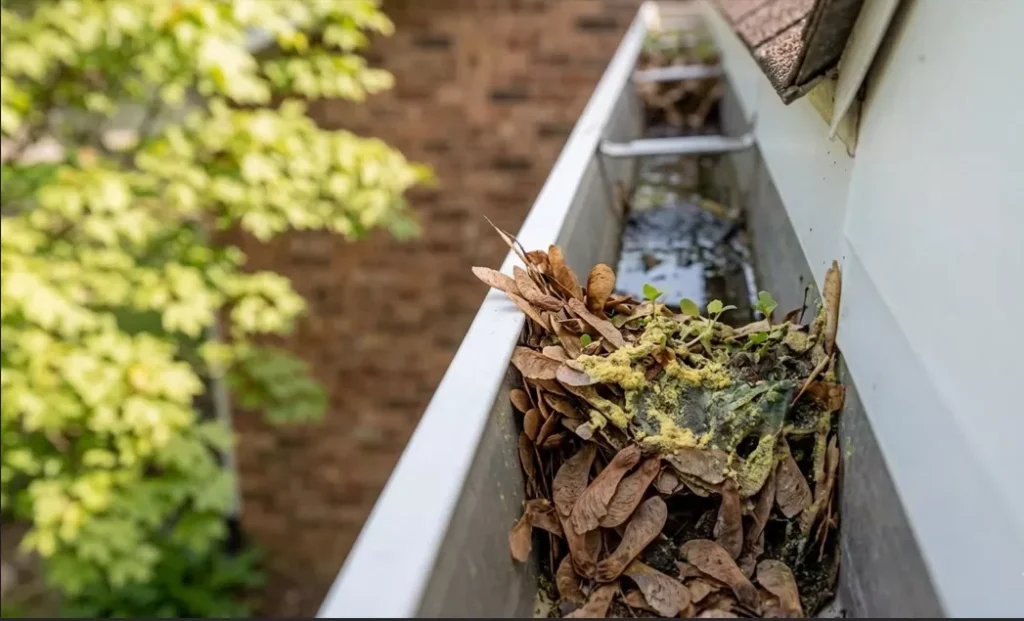
If you only clean your gutters once a year, late spring is when to do it. May sits right at the edge of Indianapolis’s rainiest stretch, April through June typically brings more rainfall than any other period, and heading into that window with clogged gutters is a recipe for overflow and water damage.
What makes May tricky is that earlier in spring, maple trees drop their seeds (the “helicopters”), oak trees shed their tassels, and pollen from multiple species settles into gutters and forms a sticky paste that traps everything else. By the time May arrives, that accumulation has had weeks to build up.
A late May cleaning clears all of that out right before summer storm season kicks in. Indianapolis gets its share of heavy thunderstorms from June through August, and gutters that are already partially clogged don’t handle sudden downpours well.
Late Fall: November Is the Second Must-Do
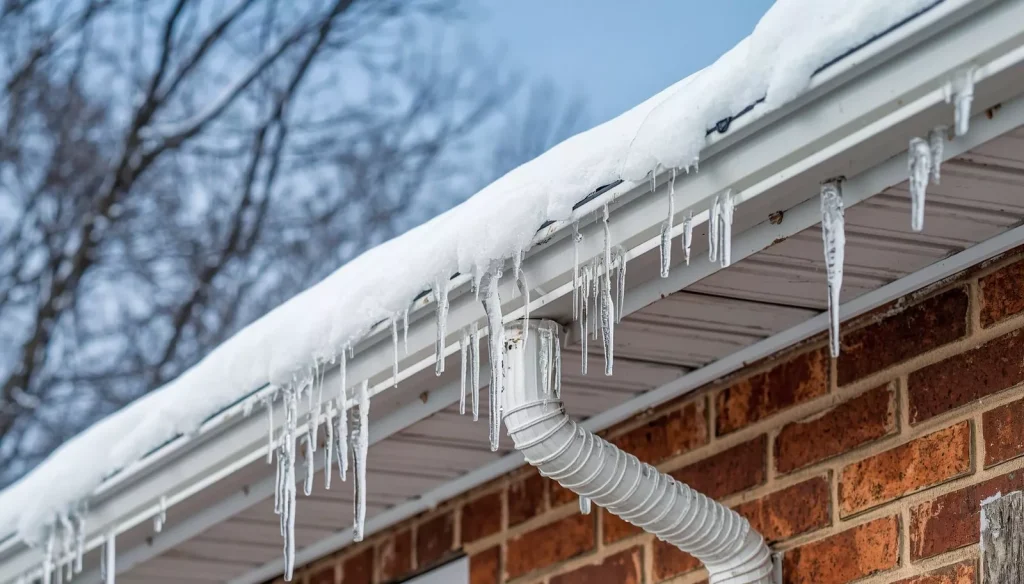
The other non-negotiable cleaning window is late fall, specifically after most of the leaves have dropped but before the ground freezes. In Indianapolis, that window typically falls between late October and mid-November.
The reason timing matters here is straightforward:
Clean too early (October): You’ll still have significant leaf drop after the fact, meaning your gutters are clogged again before winter.
Wait too long (December): You risk trying to clean gutters when temperatures are dropping toward freezing, not ideal for ladder work, and frozen downspouts cannot be flushed properly.
Indianapolis winters bring freeze-thaw cycles that are genuinely hard on gutter systems. When gutters go into winter full of wet debris, water has nowhere to drain. It sits, freezes, and expands, pulling hangers loose, cracking seams, and in some cases pushing water back up under roofing materials. A November cleaning is the simplest way to avoid all of that.
What About Spring Cleaning in March or April?
Early spring cleaning, March or April, makes sense for some homes but isn’t universally necessary. If your gutters were cleaned properly in November, they may not have accumulated much through winter beyond some roof grit, a few twigs, and whatever blew in during winter storms.
When Early Spring Makes Sense:
Post-Winter Damage Check: Indianapolis winters can shift hangers, crack seams, and leave standing water frozen in downspouts. A quick post-winter check lets you catch any damage before it gets worse heading into the wet season.
The Pine Needle Exception: Neighborhoods with a lot of pine trees — which drop needles year-round, tend to need that early spring cleaning more than areas dominated by deciduous trees.
Summer: Usually Optional, But Worth Knowing About
Summer gutter cleaning isn’t part of most Indianapolis homeowners’ routines, and for properties with modest tree coverage, it doesn’t need to be. But there are a few situations where a mid-summer check makes sense:
Heavy Storm Debris: Indianapolis summer thunderstorms can blow significant debris into gutters in a single afternoon, branches, leaves, shingle granules, and other material. If you notice water spilling over the edges during a rain, a quick flush is needed.
Fast-Shedding Trees: Some tree varieties shed heavily in early summer in addition to fall. If your yard has mature maples, a mid-summer check around July is worth adding to your schedule.
How Indianapolis Neighborhoods Factor In
Where your home sits in the city affects how often you need to clean, not just when:
Mature Neighborhoods (Meridian Hills, Broad Ripple, Irvington): Lined with large oaks, maples, and elms that shed heavily in both spring and fall. Homes here typically need cleaning at least three times a year.
Newer Developments (Fishers, Carmel, Zionsville): Tend to have younger, smaller trees and often get by with twice-yearly cleanings until those trees mature.
The slope and complexity of your roofline also plays a role. Homes with multiple valleys, dormers, or steep pitches collect debris faster, and that debris tends to concentrate before washing into the gutters.
A Simple Indianapolis Gutter Calendar
March–April: Post-winter inspection; full cleaning if you have pine trees.
May (Most Important): Full cleaning to clear everything before summer storm season.
July (Optional): Quick check after major summer thunderstorms or for heavy maple tree coverage.
Late October–November: Full cleaning after peak leaf drop, right before the first hard freeze.
Get on a Consistent Schedule
The best cleaning schedule in the world doesn’t help if the gutters themselves have problems, loose hangers, sagging sections, or downspouts that don’t drain properly. When you schedule a cleaning, it’s worth asking the crew to flag anything that looks off. Catching a small repair in the fall is far less disruptive than dealing with a bigger problem after a winter of water sitting in a section that doesn’t drain.
At Indy Gutter Cleaning (https://indyguttercleaning.com), we serve homeowners throughout Indianapolis, Carmel, Fishers, Zionsville, Plainfield, and Meridian Hills. If you’d like to get on a consistent schedule or want an assessment of what your home actually needs, reach out to our team today for a free estimate!